AUTOMOTIVE FORGING SOLUTION
Aluminum Alloy Forged Automotive Chassis Components | Steering Knuckles & Control Arms OEM/ODM Custom Machining
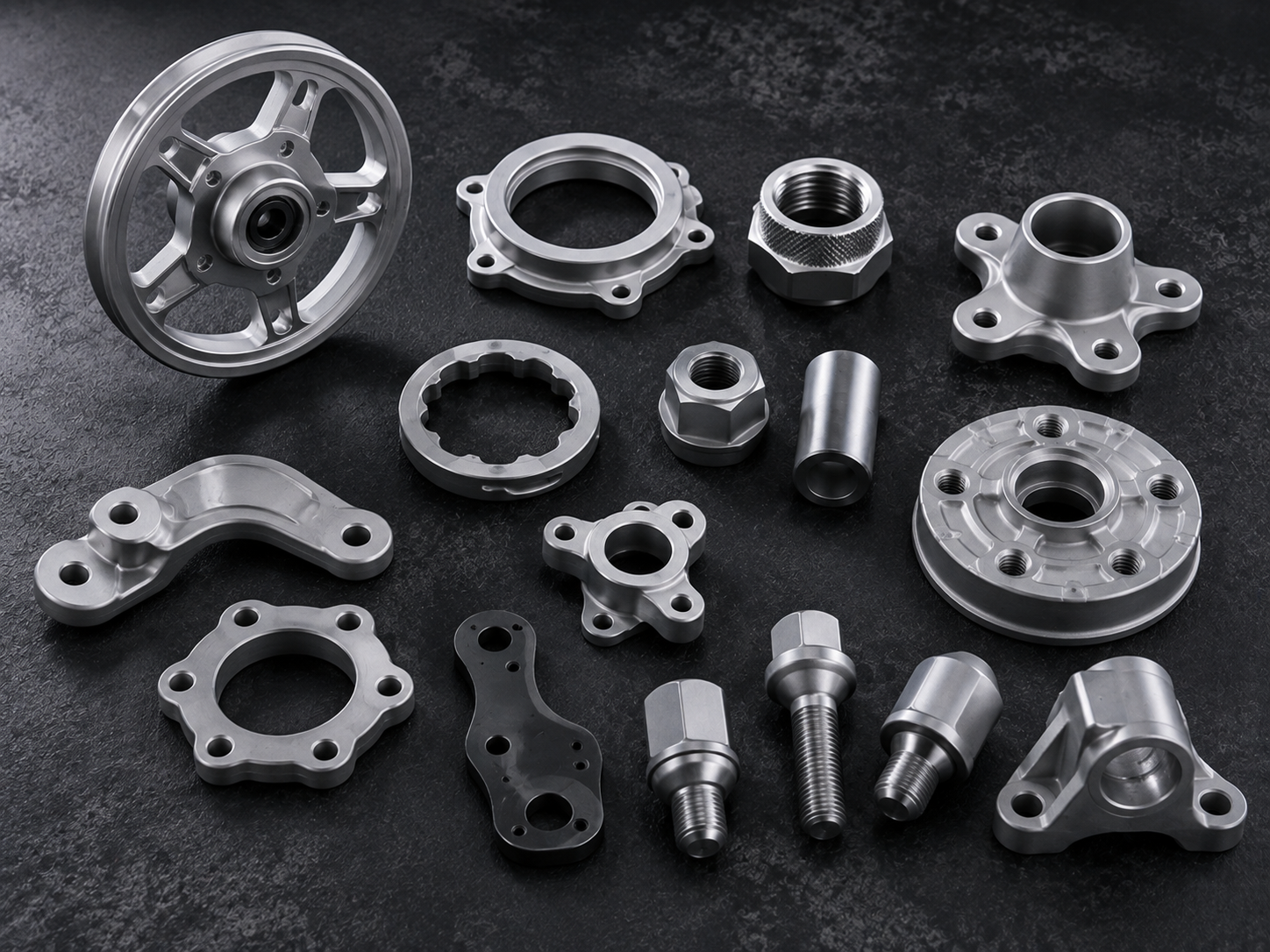
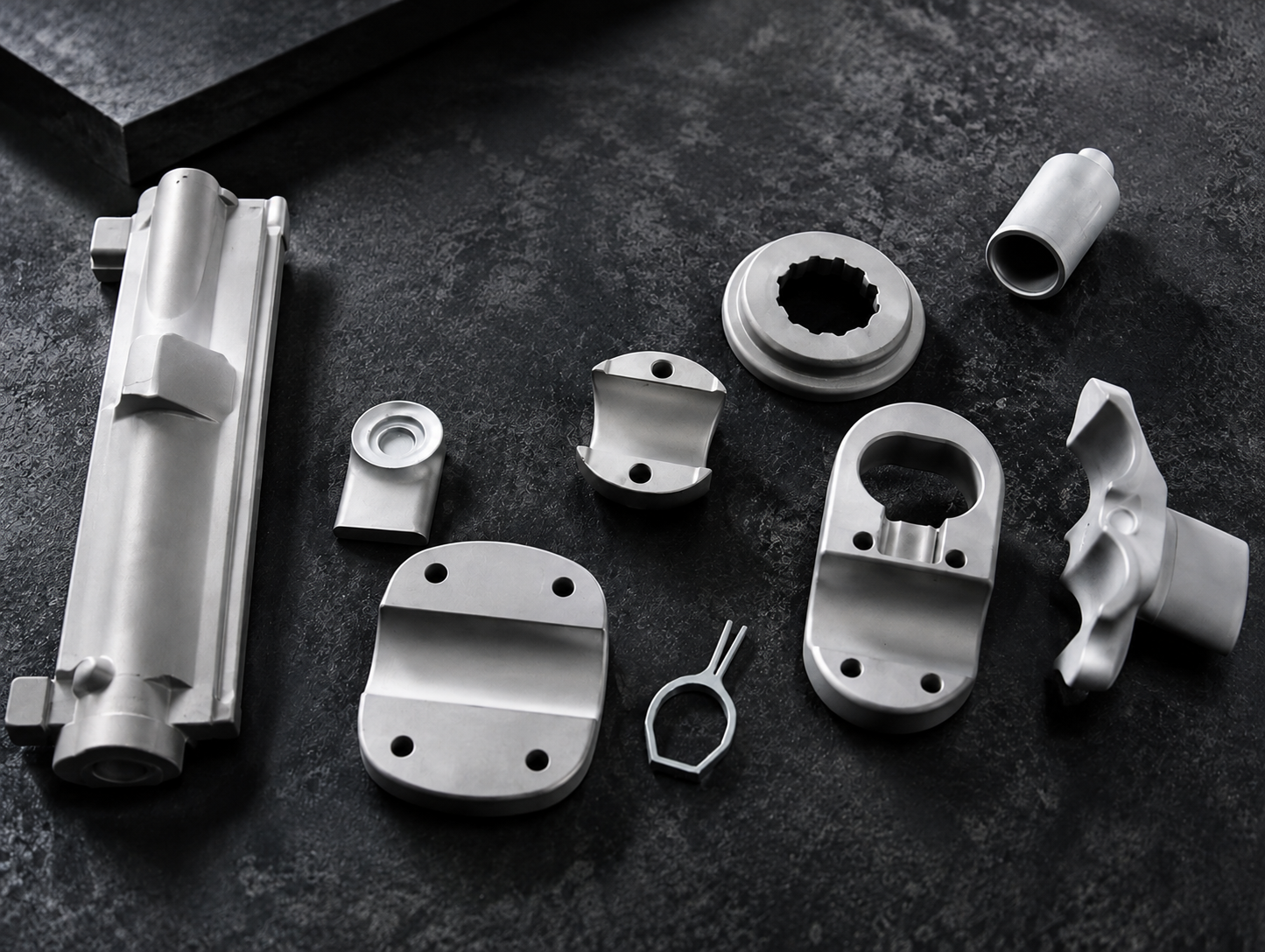
King Forging provides OEM/ODM custom manufacturing services for automotive steering and chassis components, combining aluminum alloy forging, mold development, CNC precision machining, and post-processing technologies to help customers develop lightweight, high-strength, and precise structural components for automobiles and transportation vehicles.
High-Strength Aluminum Alloy Forging for Vehicle Lightweighting and Structural Reliability
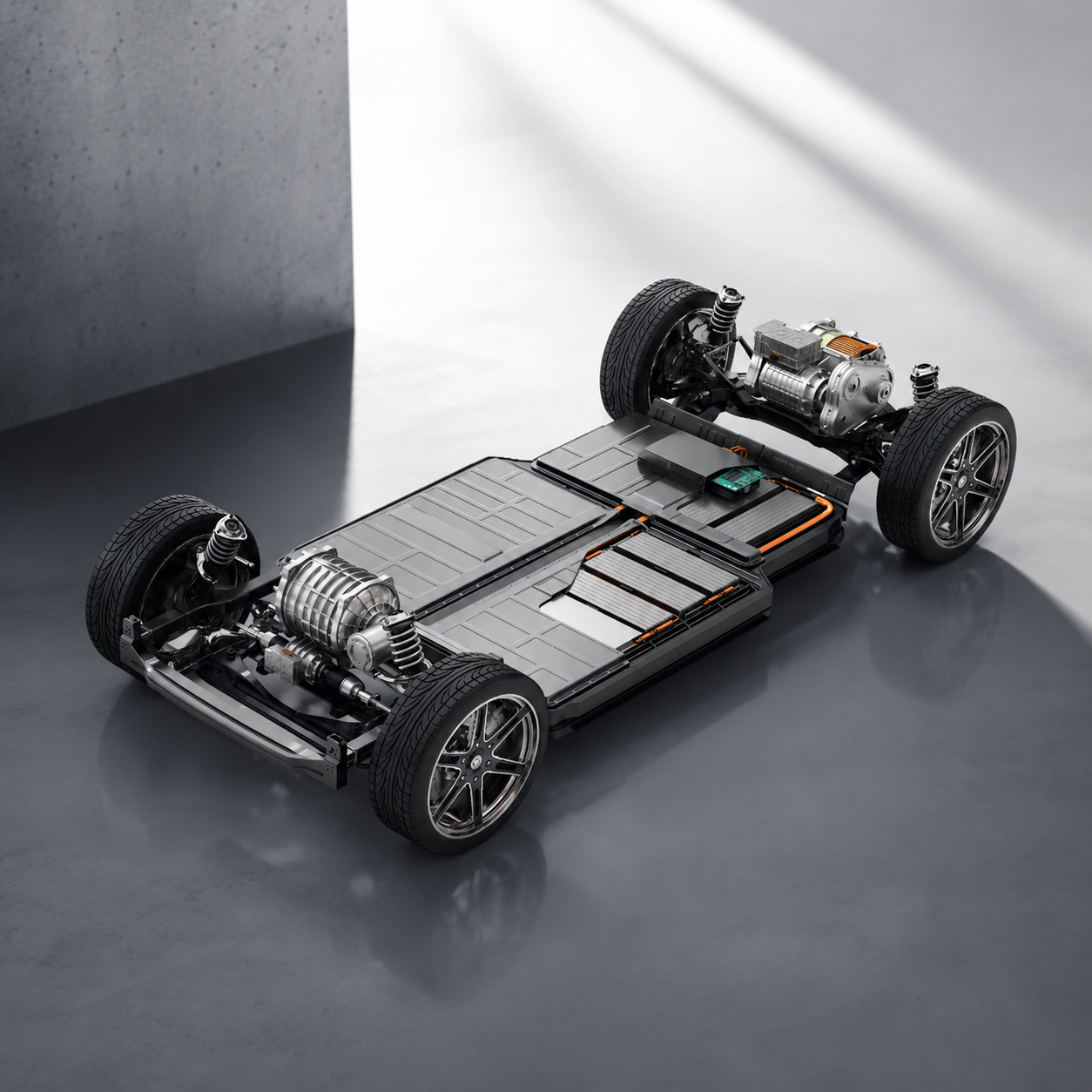
As the automotive industry moves toward lightweighting, electrification, and higher performance, vehicle steering and chassis systems must not only withstand the impact, vibration, and continuous loads encountered during driving, but also achieve a good balance between structural strength and overall weight.
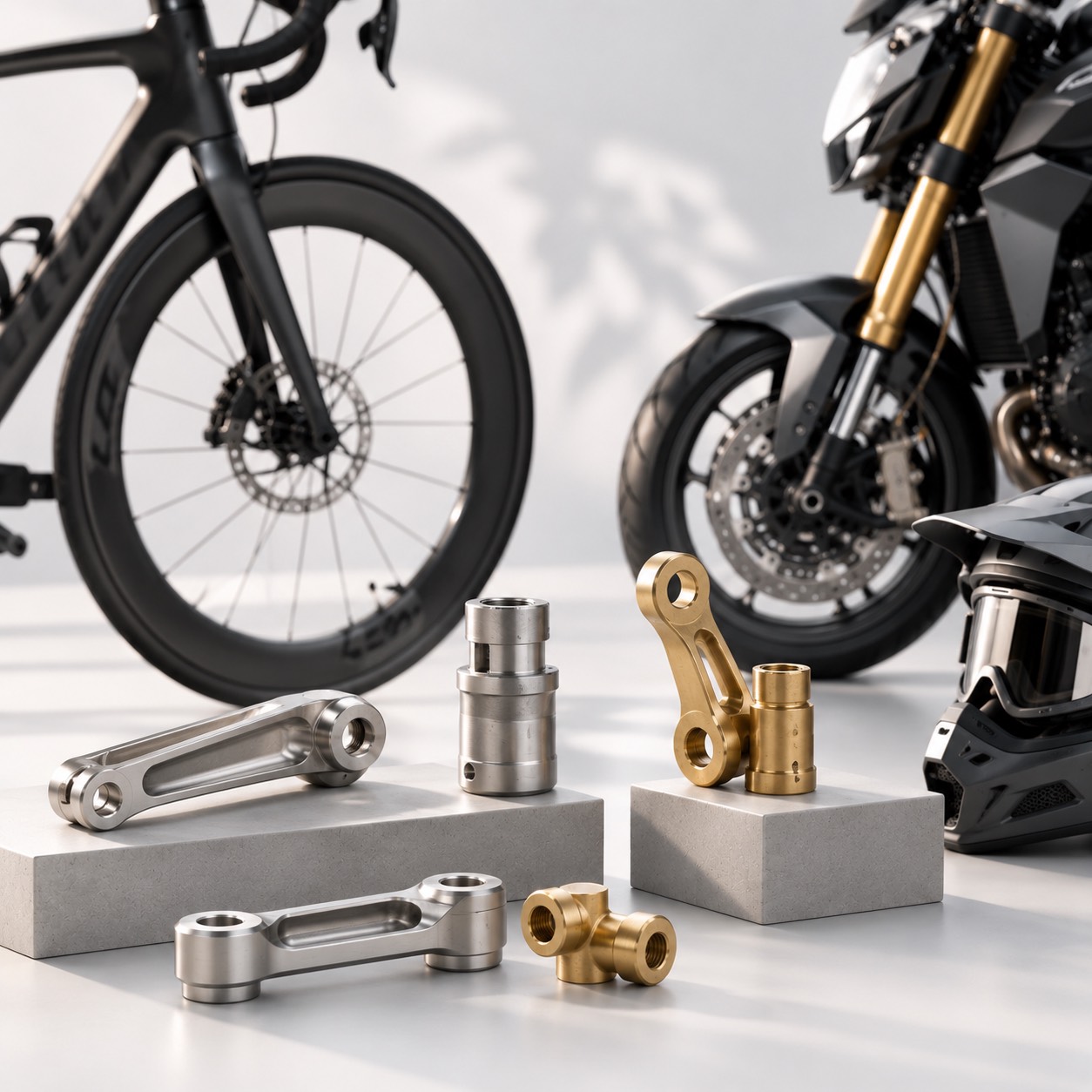
Aluminum alloy offers light weight, high specific strength, good corrosion resistance, and excellent machinability. Combined with the aluminum alloy forging process, it further improves the material's internal structure and mechanical properties, making it widely used in the steering systems, suspension systems, and chassis structural components of automobiles, motorcycles, electric vehicles, and various other transportation vehicles.
King Forging offers one-stop OEM/ODM manufacturing capabilities spanning mold development, forging, CNC precision machining, and surface post-processing. Based on the 2D/3D drawings, CAD models, samples, and actual usage conditions provided by customers, we develop and produce custom-forged aluminum alloy components for various vehicle applications.
APPLICATION
Applications for Vehicle Steering and Automotive Chassis Components
Steering and chassis systems are critical structures that affect vehicle handling, stability, and driving safety. Related components typically must withstand prolonged road impact, steering forces, vehicle weight, and repeated fatigue loads, placing high demands on material strength, dimensional precision, and structural reliability.
Steering Knuckle
Control Arm
Suspension System Components
Automotive Chassis Connectors
Structural Mounts and Brackets
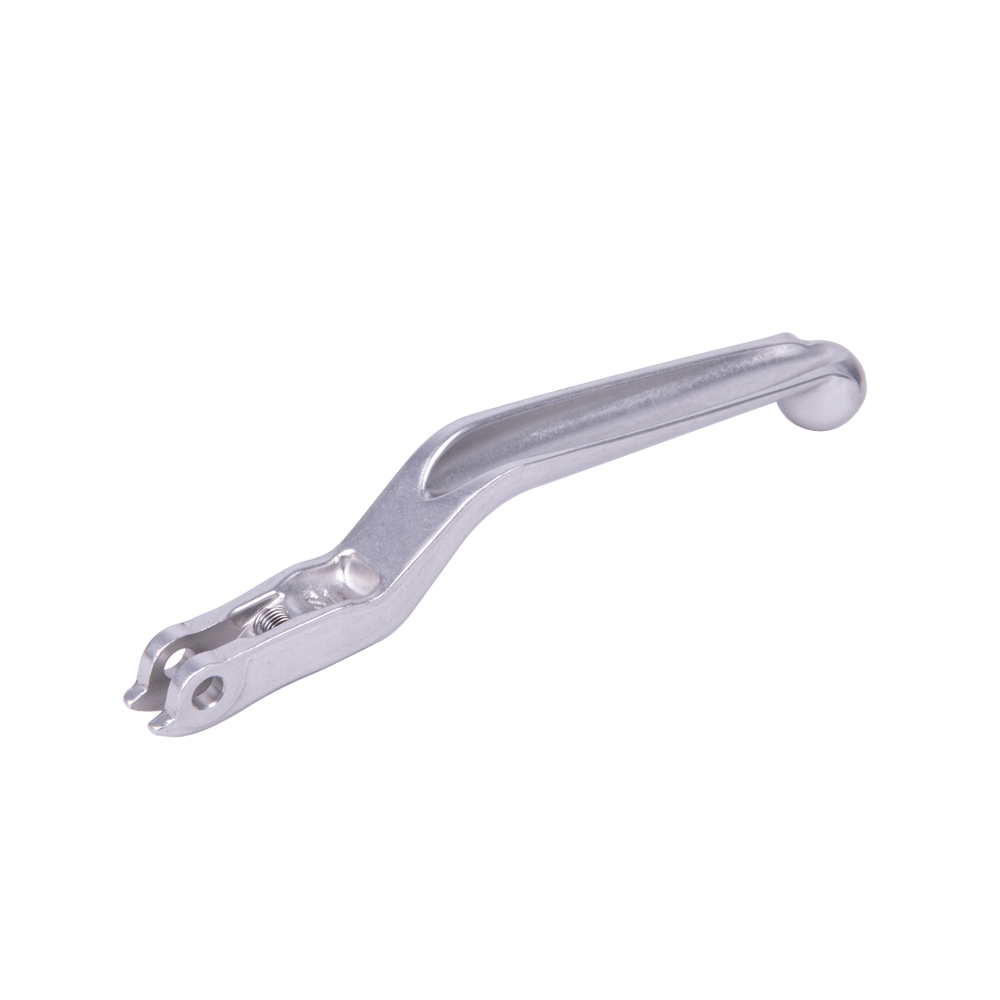
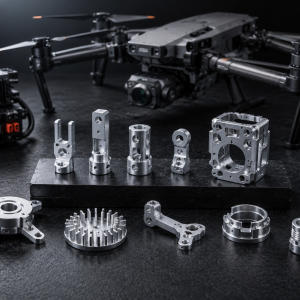
Custom Forged Alloy Structural Components
Actual product dimensions, shape, hole positions, thickness, and machining precision can all be custom-produced under OEM/ODM based on customer product drawings and usage requirements.
WHY ALUMINUM FORGING
Why Choose Aluminum Alloy Forging for Automotive Chassis Components?
01
High Strength and Lightweight Combined
Reducing vehicle weight has become a key direction in modern automotive and EV design. Aluminum alloy offers an excellent strength-to-weight ratio; combined with appropriate forging and subsequent machining processes, it can reduce component weight while maintaining the mechanical performance required for structural integrity, making it suitable for steering, suspension, and load-bearing chassis components.
02
Dense Material Structure and Structural Reliability
Forging uses pressure to plastically deform metal. With appropriate mold design and process control, it improves the material's internal structure and metal flow lines, reduces the risk of internal porosity and other defects, and enhances the component's tensile strength, impact resistance, and structural reliability.
03
Suited for Complex Custom Automotive Component Designs
Steering knuckles, control arms, and chassis connectors typically feature irregular curved surfaces, varying wall thicknesses, hole positions, and mounting structures. King Forging can design and develop molds based on customer-provided 2D/3D drawings, CAD models, or physical samples, and plan the process according to component structure, load requirements, and subsequent machining conditions.
04
Excellent Corrosion Resistance and Surface Treatment Flexibility
Vehicle chassis components are exposed long-term to moisture, sand, temperature fluctuations, and road conditions, making weather and corrosion resistance an important design consideration. Forged aluminum alloy can be paired with post-processing treatments such as sandblasting, polishing, powder coating, electroplating, or anodizing based on product requirements, further enhancing surface protection and appearance.
ONE-STOP MANUFACTURING
One-Stop Process from Mold Development to CNC Machining
In addition to material strength, mounting hole positions, threads, mating surfaces, and geometric tolerances directly affect assembly quality for vehicle components. King Forging integrates multiple processing procedures to help customers reduce the communication and quality management costs of cross-factory machining.
01|Mold Design and Development
Mold planning is carried out based on customer drawings and product structure, taking into account material flow, component shape, and subsequent machining requirements, to establish forming conditions suitable for mass production.
02|Aluminum Alloy Forging
The forging process is planned according to component dimensions, thickness, geometric structure, and performance requirements, forming the material into the required structure through plastic deformation while balancing product strength with mass production efficiency.
03|CNC Precision Machining
After forging, CNC turning, milling, and other machining processes complete precision requirements such as holes, threads, mounting surfaces, mating dimensions, and geometric tolerances.
04|Surface and Post-Processing Integration
Depending on the product's final application environment and appearance requirements, subsequent processes such as sandblasting, polishing, powder coating, electroplating, and anodizing can be integrated to provide a complete component manufacturing service.
OEM / ODM
OEM/ODM Custom Manufacturing of Automotive Forged Aluminum Alloy Components
King Forging's core service model is OEM/ODM custom metal component manufacturing. Rather than focusing on fixed-specification standard products, we develop solutions based on each customer's product design, material conditions, and actual application requirements.
From initial drawing confirmation, material and process evaluation, to mold development, trial sampling, forging, CNC precision machining, and post-processing, we plan a suitable manufacturing process for each project's specific requirements.
Whether for automobiles, motorcycles, electric vehicles, or other transportation equipment, any forged aluminum alloy structural component requiring high strength, lightweighting, and precision machining can be further evaluated for manufacturing feasibility based on drawings.
CUSTOM FORGING SOLUTION
Looking for an OEM/ODM Manufacturer for Aluminum Alloy Automotive Components?
If you are developing steering knuckles, control arms, suspension components, automotive chassis structural components, or other custom forged aluminum alloy parts, you can provide 2D/3D drawings, CAD models, or physical samples, and King Forging will further evaluate the mold, forging, and machining process.
Contact Us · Inquire About Custom Manufacturing