-
 (+886)4-735-0011
Free Call
- 08:00 AM - 05:00 PM Monday - Friday
- No. 68, Dongping Rd., Hemei Township Changhua County 508, Taiwan
(+886)4-735-0011
Free Call
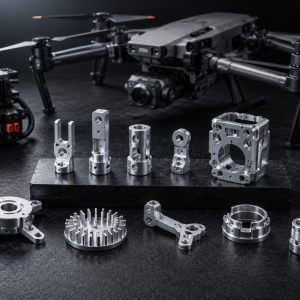
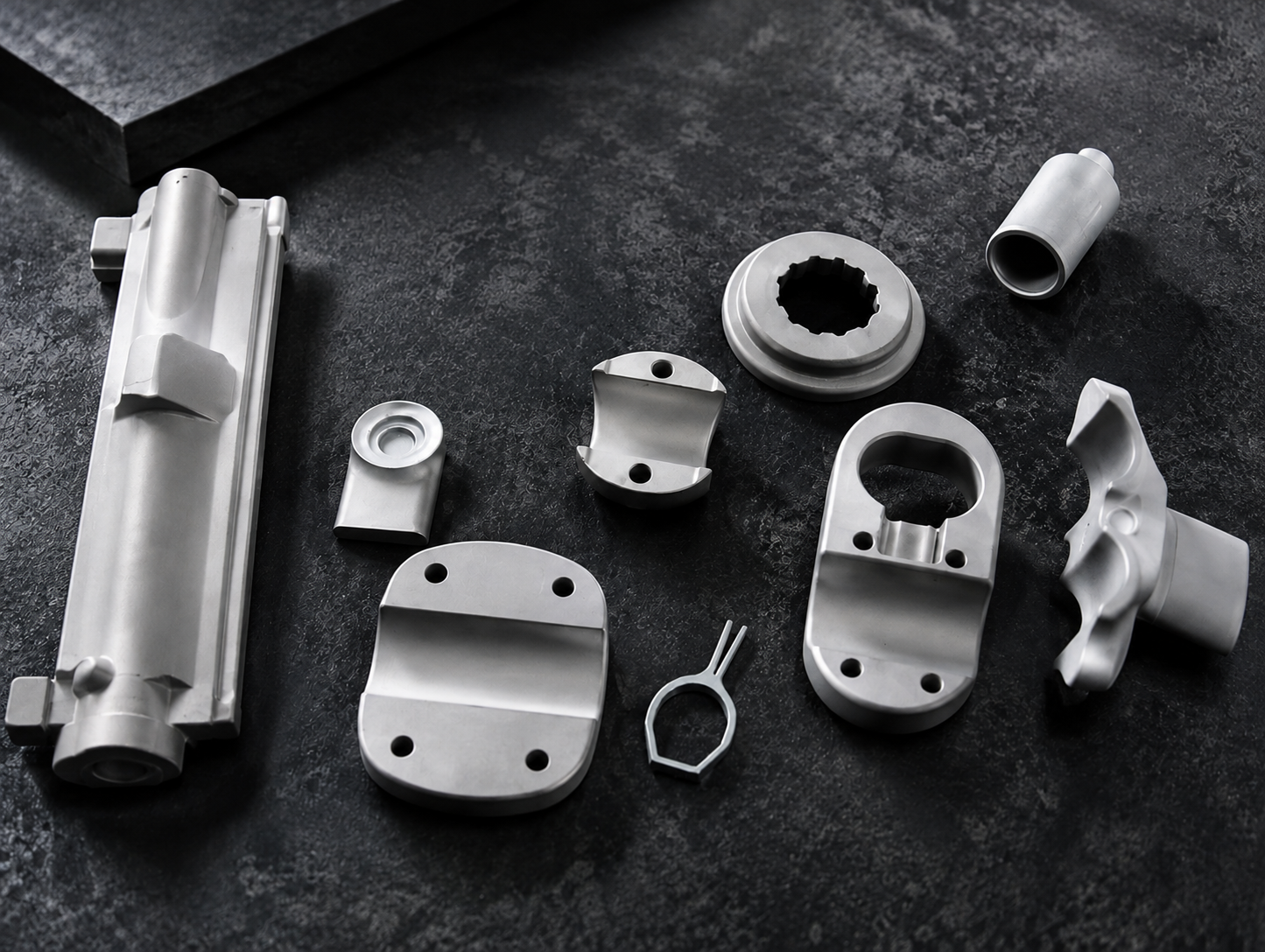
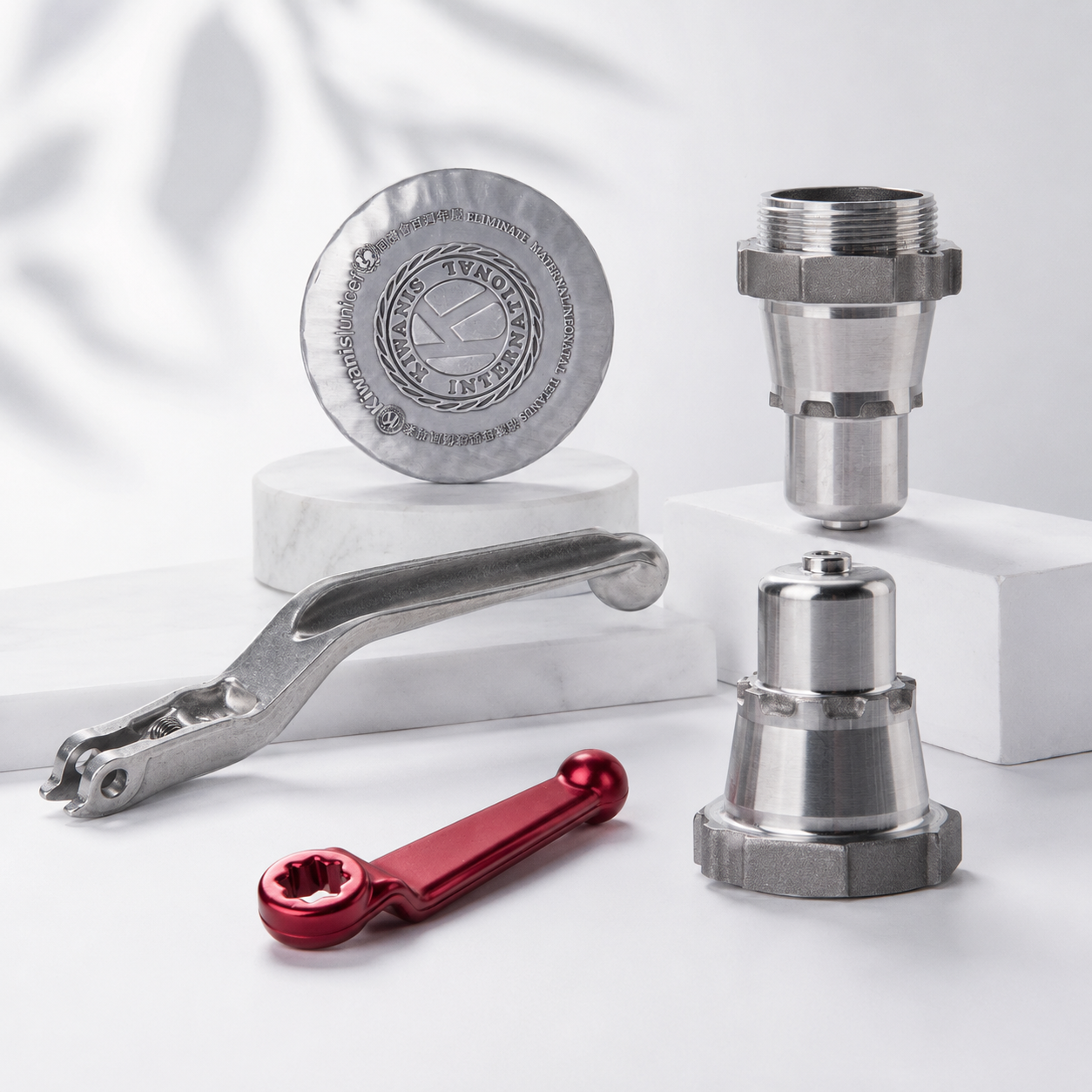
In-house 500/800-ton forging presses and CNC turn-mill precision machining, with full quality control using CMM, Rockwell hardness testers and other instruments. Integrated production from forging and machining to inspection delivers stable, traceable quality.
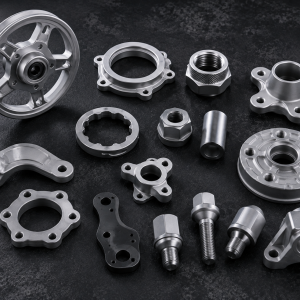
King Forging provides OEM/ODM custom manufacturing of precision aluminum alloy parts for drones and unmanned vehicles. Combining aluminum alloy forging, die development, CNC precision machining and post-processing, our parts serve propulsion systems, airframe structures, motor assemblies, gimbal mechanisms, landing gear and all kinds of lightweight precision mechanism components.
As commercial, industrial inspection and delivery drones and other unmanned vehicles continue to evolve toward higher payloads, longer flight times and greater operational stability, airframe and internal mechanism parts need more than sufficient structural strength. There is growing emphasis on light weight, dimensional accuracy, corrosion resistance, mechanical strength and reliability over long operation.
Aluminum and aluminum alloys offer a good strength-to-weight ratio, corrosion resistance, formability, heat dissipation and precision machinability, reducing part weight while maintaining structural strength. This makes them well suited to drone structural parts, supports, connectors, motor-related parts and other precision mechanism components that call for lightweight design.
King Forging has integrated manufacturing capability, from die design and aluminum alloy forging to CNC precision machining and surface finishing. Based on your 2D/3D drawings, CAD models, samples and actual application conditions, we carry out OEM/ODM custom development and production of aluminum alloy drone parts.
Drones place high demands on weight, structural strength and dimensional accuracy. Aluminum alloys combine light weight with good mechanical properties and can be used for a wide range of functional and structural precision parts depending on the model, payload, flight environment and structural design.
Actual applications still require process and material evaluation based on the drone's product design, payload, structural conditions, weight limits, material specifications and operating environment.
Drone motors and propulsion systems must withstand the vibration and loads of high-speed rotation while keeping overall weight down. Aluminum alloys can be used for motor mounts, motor brackets, support structures and related precision mechanism parts, with CNC precision machining completing holes, threads, mounting faces and complex geometries.
Weight control directly affects a drone's payload capacity, flight time and efficiency. With their good strength-to-weight ratio, aluminum alloys can be made into airframe connectors, structural supports, mounts, adapters and other lightweight mechanism parts, cutting weight while maintaining the required structural performance.
Drones for aerial photography, surveying, inspection and industrial use often carry cameras, sensors, LiDAR or other precision equipment, so their mounting structures must balance weight, rigidity and dimensional accuracy. We can develop aluminum gimbal parts, sensor mounts, adapters and other precision mechanism parts to your requirements.
The landing gear, support mechanisms and load-bearing areas of industrial and heavy-lift drones may have to withstand landing impacts, vibration and repeated loads. With suitable aluminum alloys and forging methods, we develop supports, connectors and special high-strength precision parts that balance weight and strength for your product structure.
Aluminum alloys have a low density, reducing part weight while meeting structural needs and helping control overall drone weight.
Depending on the alloy and process conditions, weight and mechanical performance can both be achieved, ideal for support, connecting and load-bearing structural parts.
With good corrosion resistance and thermal conductivity, aluminum alloys suit outdoor structures and electronics-related parts depending on the environment and function.
With CNC turning, milling and compound machining, holes, threads, mounting faces, mating dimensions and all kinds of special geometries are made to your drawings.
Aluminum drone parts usually need to balance weight, structural strength, dimensional accuracy and stable mass production. King Forging integrates die, aluminum forging and precision machining processes around your product design to support custom part development.
Using your 2D/3D drawings, CAD models or samples, we confirm the part's structure, dimensions, material, weight targets, mechanical properties and secondary machining conditions.
Dies are planned around the product's shape, material flow, structural strength and secondary machining needs, establishing process conditions suited to aluminum forging and mass production.
The aluminum forging process is planned around the part's dimensions, geometry, material properties and application, producing forgings that meet structural performance and secondary precision machining requirements.
CNC turning and milling complete holes, threads, mating faces, mounting features and precision dimensions.
Surface treatment and finishing are planned around the product's operating environment, appearance, corrosion resistance and surface performance requirements.
Different types of drones vary in size, payload, flight time, flight environment and mechanism layout, so their aluminum parts usually need to be custom-developed to the customer's product design rather than built to a single fixed specification.
King Forging's main service model is OEM/ODM custom aluminum alloy parts manufacturing. Starting from drawing review and material evaluation, we integrate die development, trial sampling, aluminum alloy forging, CNC precision machining and post-processing.
Whether you need drone motor mounts, airframe connectors, structural supports, gimbal mounts, landing gear parts, heat sinks or other special precision aluminum parts, we can evaluate manufacturing feasibility based on your drawings and actual product conditions.
If you are developing aluminum parts for drone propulsion systems, airframes, gimbals, landing gear or other lightweight precision mechanisms, send us your 2D/3D drawings, CAD models or physical samples, and King Forging will evaluate the materials, dies, aluminum forging and CNC precision machining processes.