-
 (+886)4-735-0011
Free Call
- 08:00 AM - 05:00 PM Monday - Friday
- No. 68, Dongping Rd., Hemei Township Changhua County 508, Taiwan
(+886)4-735-0011
Free Call
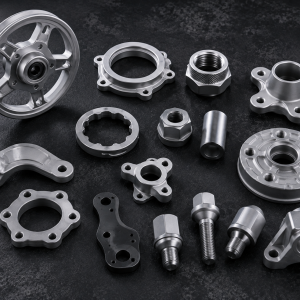
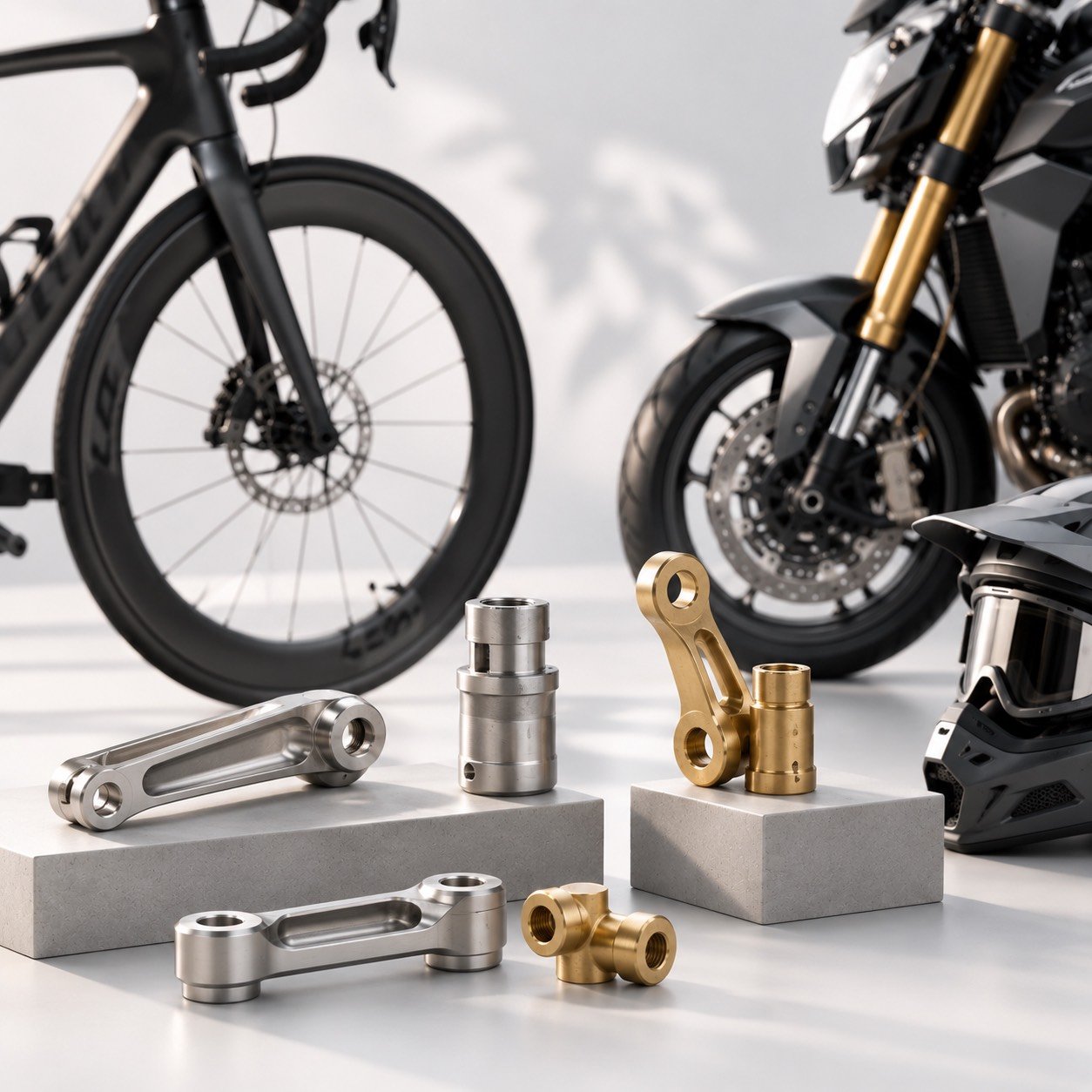
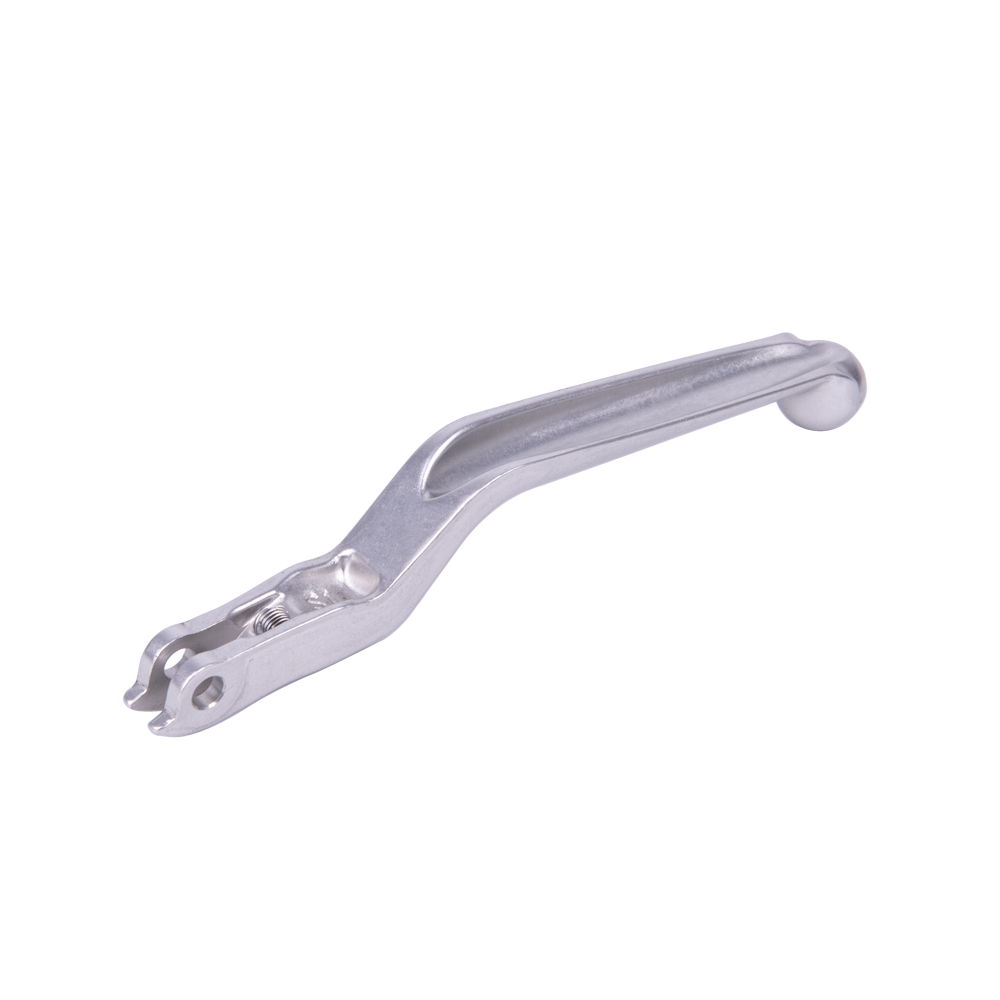
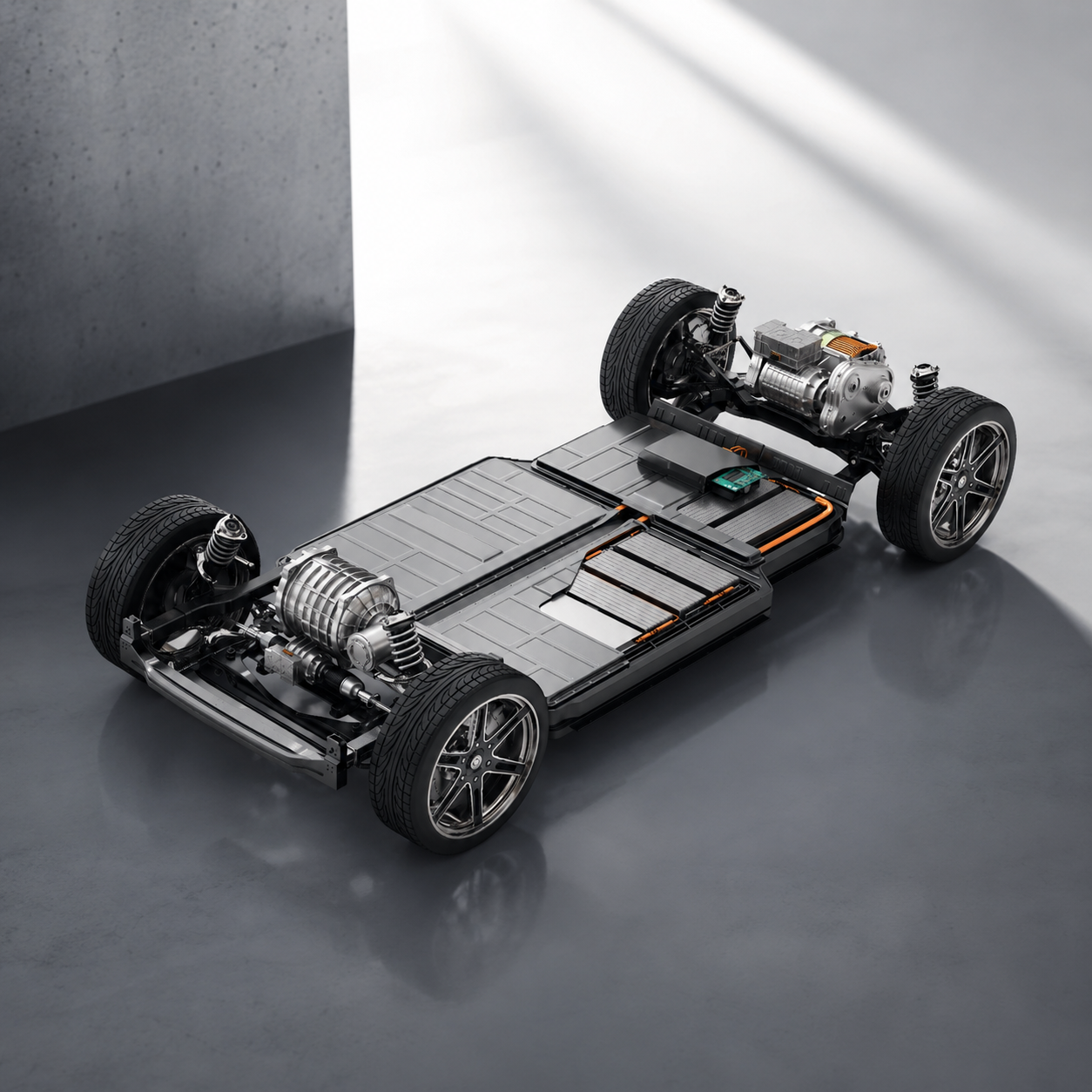
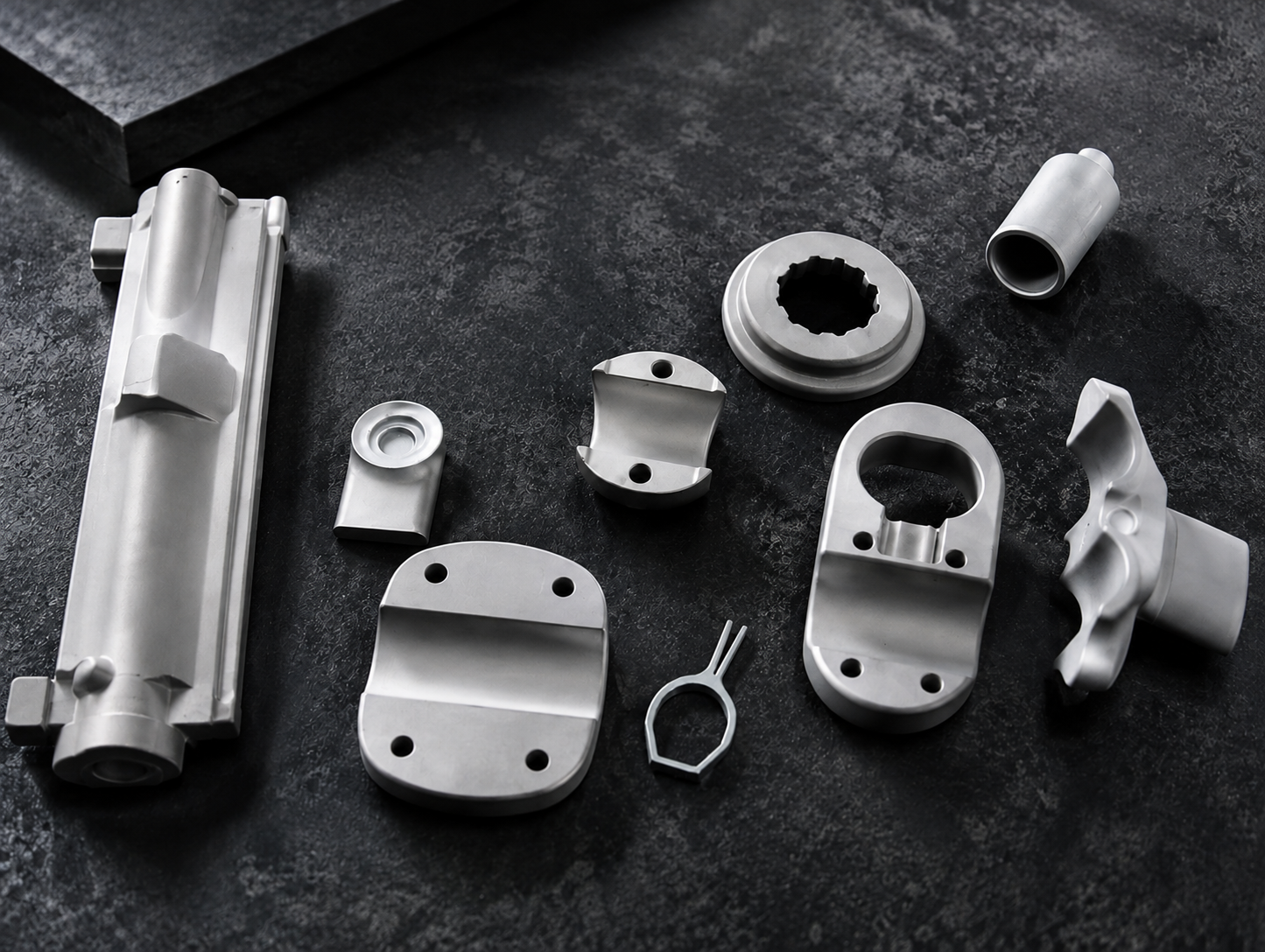
King Forging provides OEM/ODM custom manufacturing of vehicle steering and chassis parts. Using the lightweight, high-strength and corrosion-resistant properties of aluminum alloys, combined with forging, CNC precision machining and post-processing, we produce steering knuckles, control arms, suspension parts and other chassis structural components that meet automotive requirements for strength, precision and reliability.
In-house 500/800-ton forging presses and CNC turn-mill precision machining, with full quality control using CMM, Rockwell hardness testers and other instruments. Integrated production from forging and machining to inspection delivers stable, traceable quality.
King Forging provides OEM/ODM custom manufacturing of vehicle steering and chassis parts. Combining aluminum alloy forging, die development, CNC precision machining and post-processing, we help customers develop lightweight, high-strength, high-precision structural parts for automobiles and other vehicles.
As the automotive industry moves toward lightweighting, electrification and higher performance, steering and chassis systems must not only withstand impact, vibration and continuous loads while driving, but also strike the right balance between structural strength and overall weight.
Aluminum alloys are light, have a high specific strength, and offer good corrosion resistance and machinability. The aluminum alloy forging process further improves the material's internal structure and mechanical properties, which is why it is widely used in steering systems, suspension systems and chassis structural parts for cars, motorcycles, electric vehicles and other vehicles.
King Forging has end-to-end OEM/ODM manufacturing capability, from die development and forging to CNC precision machining and surface finishing. Based on your 2D/3D drawings, CAD models, samples and actual operating conditions, we develop and produce custom aluminum alloy parts for all kinds of vehicles.
Steering and chassis systems are key structures that determine a vehicle's handling, stability and driving safety. Their parts must withstand road impacts, steering forces, vehicle weight and repeated fatigue loads over long periods, so they place high demands on material strength, dimensional accuracy and structural reliability.
Dimensions, shape, hole positions, thickness and machining accuracy can all be customized under OEM/ODM to your product drawings and application requirements.
Reducing vehicle weight has become a key direction in modern car and EV design. Aluminum alloys have a good strength-to-weight ratio, and with the right forging and secondary machining they can cut part weight while keeping the mechanical performance the structure needs, making them well suited to load-bearing steering, suspension and chassis parts.
Forging uses pressure to plastically deform metal. With proper die design and process control, it improves the internal structure and grain flow of the material, reduces the risk of defects such as internal porosity, and increases tensile strength, impact resistance and structural reliability.
Steering knuckles, control arms and chassis connectors often have irregular curved surfaces, varying wall thicknesses, holes and mounting features. King Forging designs and develops dies from your 2D/3D drawings, CAD models or physical samples, and plans the process around the part's structure, load requirements and secondary machining conditions.
Vehicle chassis are exposed to moisture, mud, temperature changes and road conditions for years, so weather and corrosion resistance are important design considerations. Aluminum alloy parts can be sandblasted, polished, painted, plated or anodized as needed to further improve surface protection and appearance.
Beyond material strength, mounting holes, threads, mating surfaces and geometric tolerances on vehicle components directly affect assembly quality. King Forging integrates multiple processes under one roof, helping customers cut the communication and quality management costs of working across several suppliers.
Dies are planned from your drawings and product structure, taking into account material flow, part shape and secondary machining needs, to establish forming conditions suited to mass production.
The forging process is planned around the part's dimensions, thickness, geometry and performance requirements, plastically forming the material into the required structure while balancing product strength and production efficiency.
After forging, CNC turning and milling complete holes, threads, mounting faces, mating dimensions and geometric tolerances.
Depending on the final operating environment and appearance requirements, we integrate sandblasting, polishing, painting, plating and anodizing to deliver complete component manufacturing.
King Forging's main service model is OEM/ODM custom metal parts manufacturing. Rather than offering fixed standard products, we develop each part around the customer's product design, material conditions and actual application.
From initial drawing review and material and process evaluation to die development, trial sampling, forging, CNC precision machining and post-processing, we plan the right manufacturing flow for each project.
Whether for cars, motorcycles, electric vehicles or other transportation equipment, any aluminum alloy structural part that requires high strength, light weight and precision machining can be evaluated for manufacturing feasibility from your drawings.
If you are developing steering knuckles, control arms, suspension parts, chassis structural parts or other custom aluminum alloy parts, send us your 2D/3D drawings, CAD models or physical samples, and King Forging will evaluate the die, forging and machining processes.